

By Mackenzie Farmer
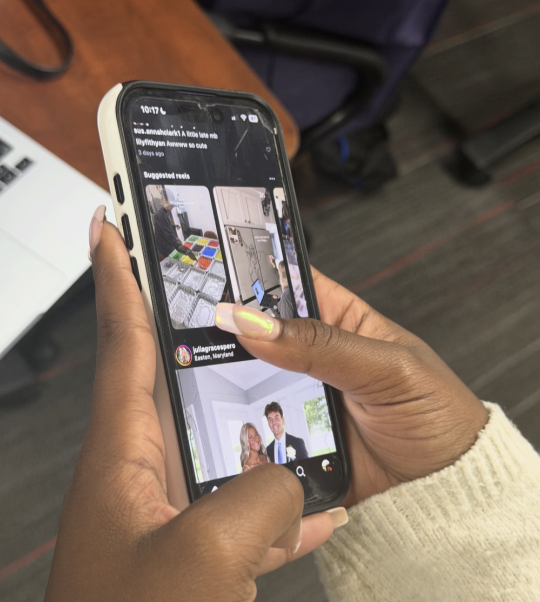
Social media plays a major role in today’s society, in which teenagers’ mental health has become a more relevant topic since social media use has skyrocketed. Teens tend to compare themselves to unrealistic standards, which can affect how they see themselves.
Posting online and getting likes can boost one’s confidence; however, some social media users say that if they don’t get the recognition they had hoped for, it can lead to second-guessing.
“Social media is now a significant environmental factor in adolescent development. On the one hand, it can offer social connectivity and a platform for learning and sharing ideas across diverse audiences and distances. On the other hand, it can introduce substantial risks to mental health,” said Dr. Laurie Lewis, a child psychologist.
Getting likes and attention releases dopamine in the brain, which leads people to feel rewarded by the attentiveness they receive. Social media fuels “comparison culture,” in which edited versions of other people’s lives lead to very low self-esteem and body image issues.
“These unrealistic standards often worsen feelings of anxiety and sadness and can lead to increased dissatisfaction with their own bodies,” said Dr. Lewis.
According to Cultivating Health, alterations such as filters and face or body-altering apps can lead to a dislike of one’s physical appearance. The feeling of having to edit yourself to look like your favorite influencer takes a toll on mental health. A constant sense of not being enough, or of self-consciousness, will start to override how one perceives oneself. Lack of confidence and self-assurance will lead to the overwhelming emotions of anxiety and depression.
“Research also references how excessive social media use can lead to other issues such as sleep disturbance, attention problems, exposure to digital harassment, unhealthy avoidance and escapism, and restricted levels of physical activity, all of which negatively impact adolescent mental health,” said Dr. Lewis.
While strong emotions affect how one feels, there are many ways to improve self-esteem. Reducing daily screen time can be beneficial.
While screens are an essential part of modern life, taking control of your online habits is key to living a healthier and more stable life, according to the Associated Clinic of Psychology.
Whether you’re trying to uplift your spirits or sleep better, the health benefits of reducing screen time are worth the effort, according to the National Institutes of Health. The constant need for online approval and attention will soon die down and become unnecessary.